Britain's Leisure Bets: The Unseen Connections Between Virtual Sports Events and Traditional Reel Mechanics
Jonas Sullivan · Jun 29, 2026
Britain's Leisure Bets: The Unseen Connections Between Virtual Sports Events and Traditional Reel Mechanics
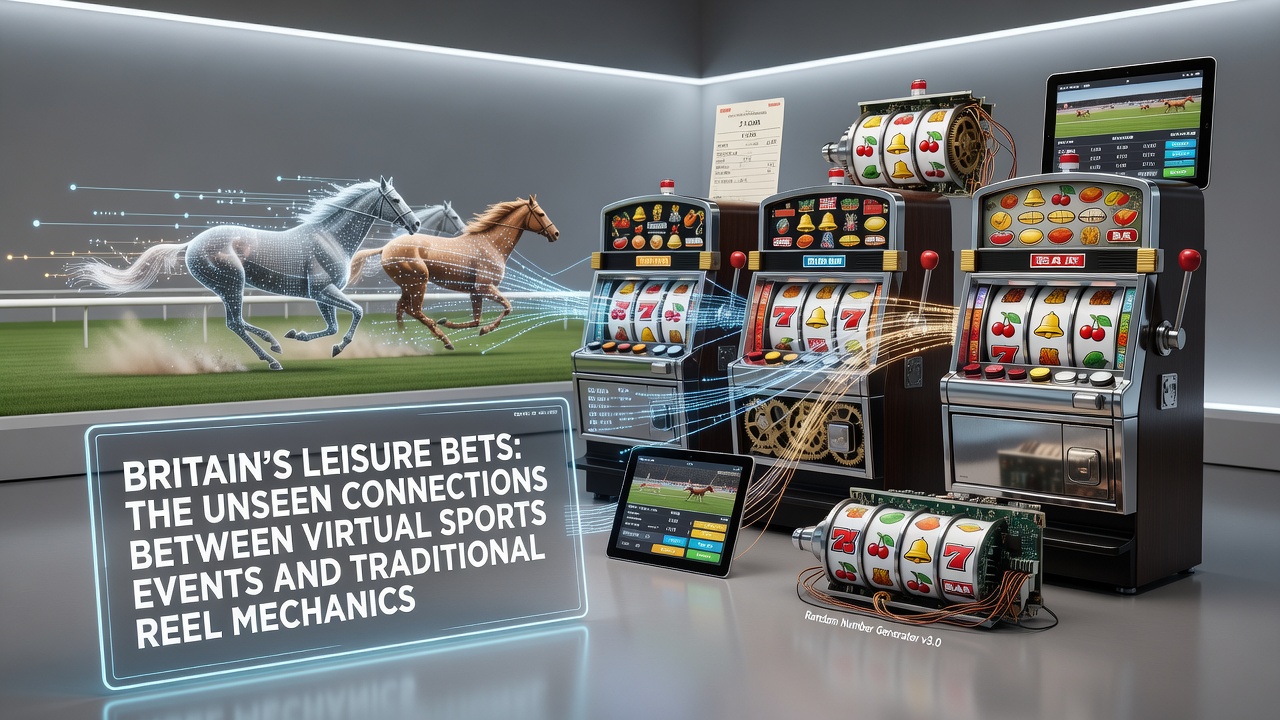
Britain's betting landscape has long featured both virtual sports simulations and classic reel-based games, yet observers note growing technical overlaps that shape how outcomes unfold. Virtual sports events rely on computer-generated sequences to mimic real athletic competitions, while traditional reel mechanics in slot machines use spinning symbols to determine results through random processes. These systems share core random number generator technology that produces unpredictable results across platforms, and developers often adapt similar animation styles to maintain visual consistency for users.
Shared Foundations in Randomness and Presentation
Virtual sports draw from the same algorithmic principles that power reel spins, where each outcome stems from independent random calculations rather than physical events. Research from the Australian Gambling Research Centre highlights how simulation engines in virtual events employ reel-inspired layering, such as sequential symbol reveals that echo the stop positions on physical or digital reels. This approach creates familiarity for participants who move between game types, since the underlying probability structures remain comparable even as themes differ.
Developers integrate these elements to streamline platform design, allowing seamless transitions between a virtual horse race and a multi-reel slot session without requiring separate interfaces. Data from industry reports indicate that such blending appears in multiple European markets by mid-2026, where operators report increased session durations when users encounter unified visual cues across categories.
Visual and Structural Parallels Emerge
Traditional reel mechanics emphasize sequential stopping points that build anticipation through staggered reveals, and virtual sports replicate this pacing through frame-by-frame animations of simulated plays. One study from the University of Nevada's International Gaming Institute found that both formats employ layered random outcomes, where initial triggers lead to secondary events like bonus rounds or extended race segments. These mechanics encourage similar engagement patterns because players encounter comparable cycles of near-misses and resolutions.
Platforms in Britain have adopted reel-style progress bars during virtual events to display accumulating odds, mirroring the payline evaluations common in slots. This convergence stems from shared software frameworks that reuse animation libraries, reducing development time while preserving distinct thematic identities for each product type.
Platform Integration Trends in 2026
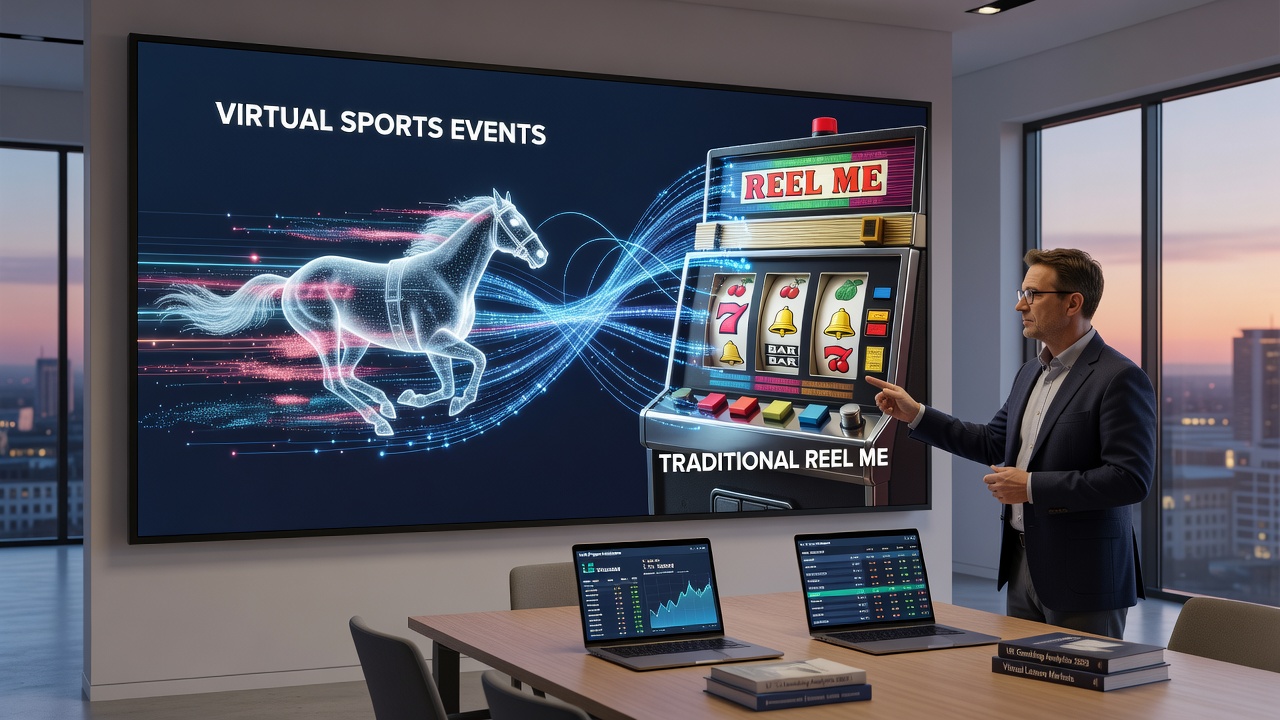
By June 2026, several operators have expanded cross-category features that link virtual sports betting with reel-based games through shared loyalty systems and promotional structures. Participants can apply winnings from one format directly into the other without additional steps, reflecting backend systems that treat both as interchangeable random outcome generators. European trade associations note this trend accelerates when providers update their content libraries to include hybrid modes where virtual event results influence slot bonus triggers.
Those who've examined usage patterns observe that reel animations now frequently appear within virtual sports interfaces, such as spinning wheels that determine race handicaps or player stats. The reverse also occurs when slots incorporate sports-themed symbols that reference virtual event mechanics, creating bidirectional influences that keep content libraries interconnected.
Regulatory Context and Data Patterns
Authorities across multiple jurisdictions track these developments through compliance frameworks that apply uniform standards to random number generators regardless of thematic presentation. Figures from the Nevada Gaming Control Board reveal consistent testing protocols for both virtual simulations and reel systems, ensuring equivalent fairness metrics. Observers point out that Britain's market follows similar verification processes, where third-party audits examine the shared technical foundations.
Industry data compiled in 2026 shows participation rates rising when platforms highlight these connections through unified dashboards. Participants encounter fewer barriers when moving between formats because the random mechanics operate under comparable transparency requirements, which helps maintain consistent trust levels across sessions.
Conclusion
The connections between virtual sports events and traditional reel mechanics rest on overlapping random generation methods, visual pacing techniques, and platform integration strategies that have become more pronounced in Britain's betting environment. These elements allow developers to deliver cohesive experiences while preserving the distinct appeal of each category. As technical frameworks continue to align, the distinctions between simulation-based events and reel-driven games grow less pronounced in practice, shaping how leisure betting evolves through shared digital foundations.