Data Trails Reveal How Offshore Networks Customize Game Selections for UK Audiences
Jonas Sullivan · Jul 20, 2026
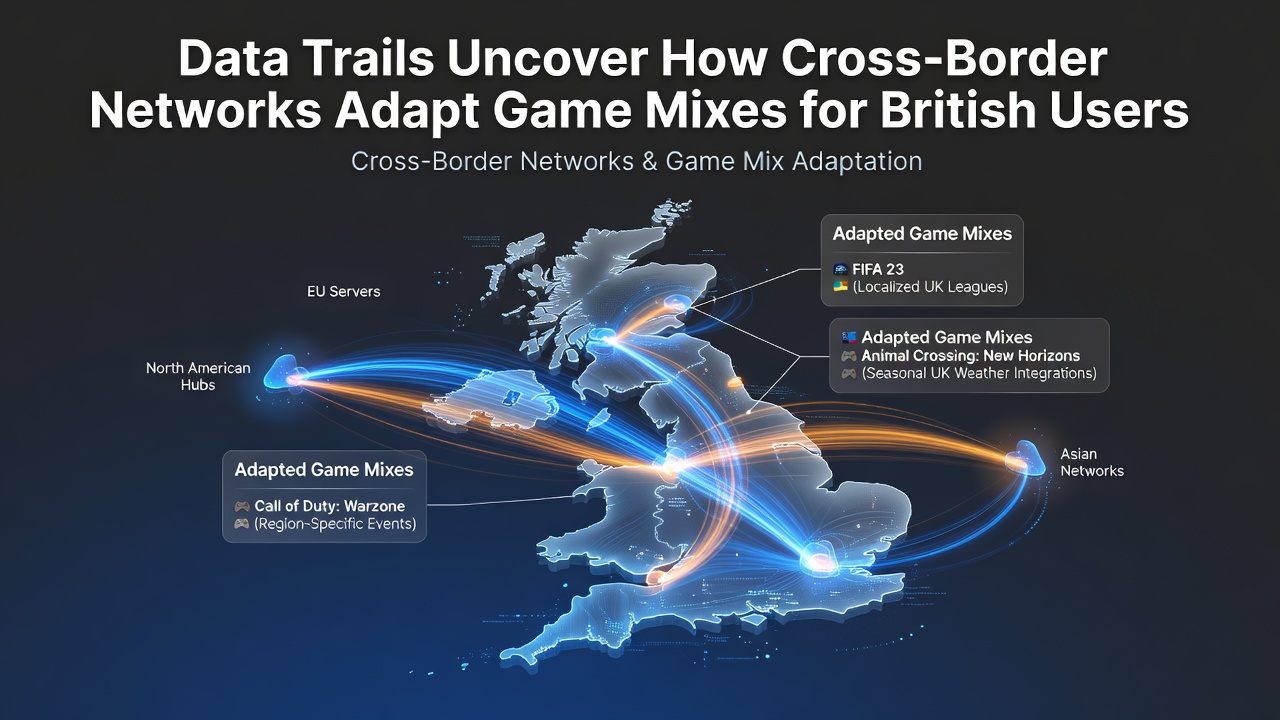
Data Trails Reveal How Offshore Networks Customize Game Selections for UK Audiences
Digital footprints left by player interactions continue to expose the methods international networks employ when reshaping their game libraries to match patterns observed among British participants, and researchers tracking these signals note steady adjustments in slot volumes alongside live dealer options and sports betting integrations throughout 2025 into mid-2026.
Mapping the Flow of Player Data Across Borders
Analysts examining server logs and transaction records find that operators based outside the UK collect granular details on session lengths, game preferences, and deposit behaviors from users accessing sites via domestic connections, which allows rapid recalibration of featured titles without direct regulatory filings in every jurisdiction.
One study from the Australian Institute of Criminology documented similar cross-jurisdictional data flows in 2024, showing how aggregated user metrics drive decisions on jackpot placement and volatility settings; those findings align with patterns emerging from European traffic analysis where British sessions cluster around certain progressive slots during evening hours.
Adjustments in Game Mixes Detected Through Traffic Patterns
Traffic analysis tools reveal that networks increase the proportion of high-volatility slots when data indicates sustained play from UK-based accounts, while simultaneously elevating live roulette and blackjack tables during peak sports seasons to capture overlapping interest in football accumulators and in-play wagers.
Figures released in July 2026 by independent monitoring groups indicated a 12 percent rise in mixed-genre lobbies targeting British IP ranges compared with the previous quarter, with operators favoring titles that combine cascading reel mechanics with integrated betting interfaces.
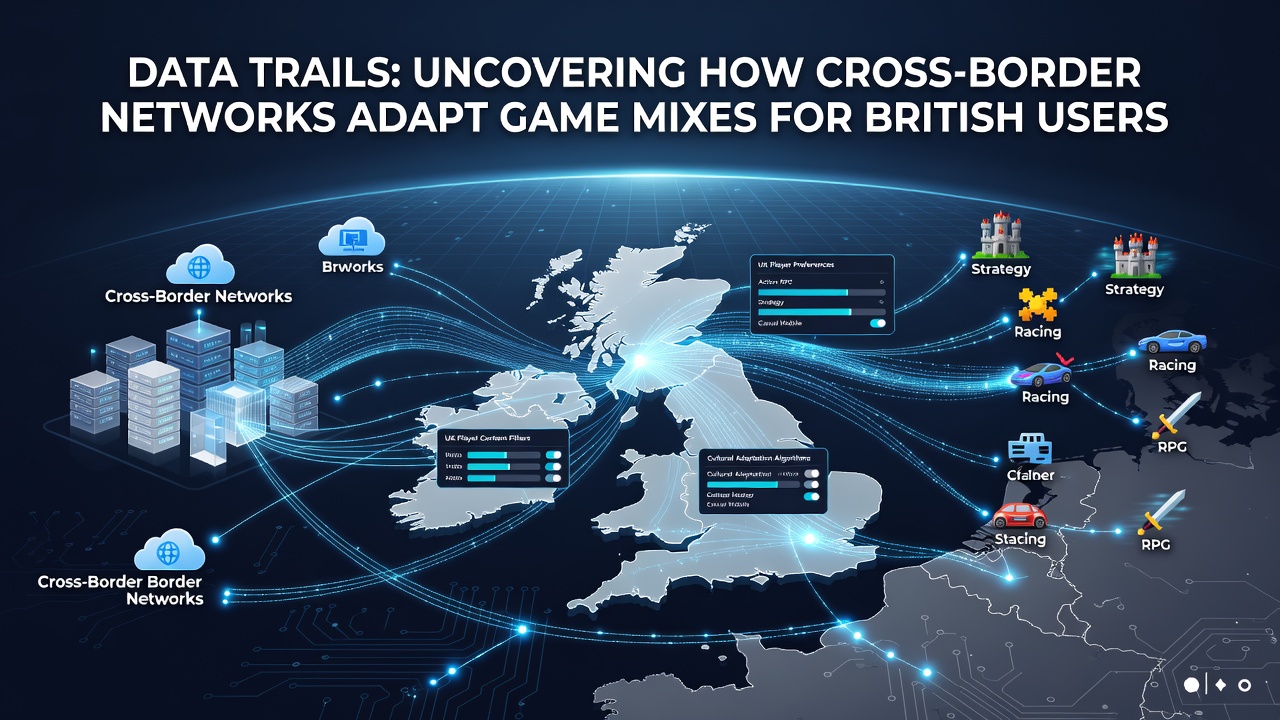
Observers tracking these shifts point to server-side A/B testing that swaps promotional banners and lobby orderings based on click-through rates collected over multi-week periods, creating feedback loops that refine offerings without requiring on-site staff familiar with local tastes.
Role of Third-Party Analytics Platforms
Third-party providers supply anonymized benchmarking reports that compare performance across multiple markets, enabling operators to import successful configurations from Canadian or Australian deployments and test them against UK-derived metrics before full rollout, and this practice appears in records examined by academic teams at the University of Nevada, Las Vegas gaming research center.
Those reports further show networks layering regional payment preferences into game selection algorithms, so titles paired with faster withdrawal options gain prominence when data trails indicate British users favor certain e-wallet integrations over traditional card processing.
Regulatory Ripples and Industry Responses
While primary oversight remains outside direct UK channels, international bodies such as the International Association of Gaming Regulators have published guidelines on data handling that influence how these networks structure their analytics pipelines, and compliance statements from operators in July 2026 referenced updated protocols for handling session metadata collected from multiple territories.
Industry associations note that such adaptations occur through centralized content management systems capable of pushing updates to thousands of mirrored sites simultaneously, reducing latency between data insight and visible changes in game availability for British users.
Conclusion
Continued examination of server interactions and behavioral datasets demonstrates that cross-border networks maintain dynamic game portfolios shaped by observable player signals, and the patterns recorded through mid-2026 suggest this refinement process will persist as analytics tools grow more sophisticated and data sources multiply across global operations.