Heritage Preservation Campaigns Inspire Themed Digital Casino Content and Betting Features
Freya Weber · May 30, 2026

Heritage Preservation Campaigns Inspire Themed Digital Casino Content and Betting Features
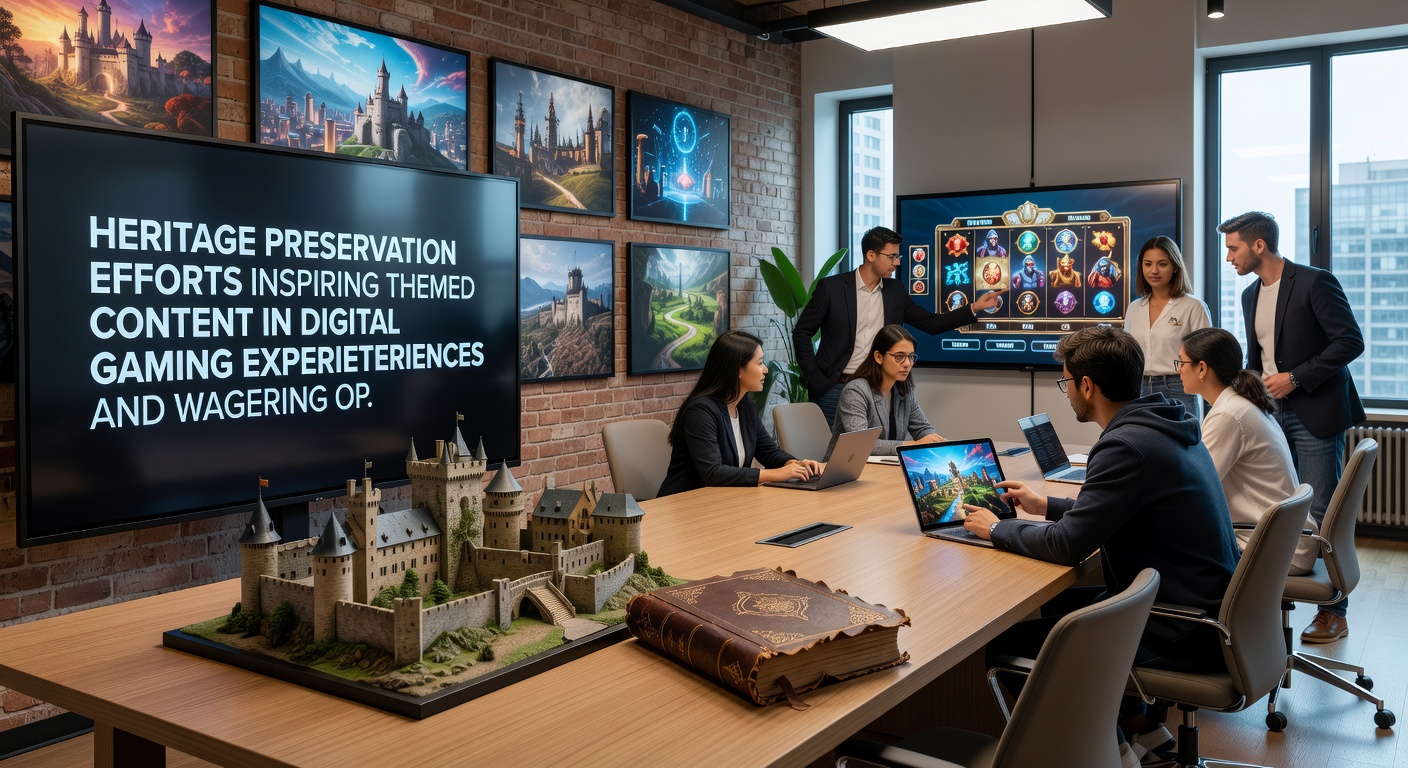
Heritage preservation efforts around the world continue to influence digital gaming platforms as developers draw from protected cultural sites and historical landmarks to build slot machines, table games, and integrated betting options. These initiatives often align with global conservation programs that document and protect ancient structures, artifacts, and traditions, which then translate into visual elements, narratives, and bonus mechanics within casino software.
Organizations such as UNESCO maintain lists of World Heritage Sites that include locations like Machu Picchu adn the Acropolis, and data from industry reports show increased use of these motifs in game development cycles between 2024 and 2026. Developers incorporate accurate architectural details and symbolic imagery to create immersive environments where players engage with progressive jackpots or live dealer rounds themed around archaeological discoveries.
Patterns in Content Development
Game studios review preservation reports and historical records to design reel symbols, background animations, and soundtracks that reflect specific eras or regions. This approach appears in titles featuring Viking longships, Mayan temples, or Chinese imperial gardens, where wagering features such as free spin rounds or multiplier accumulators tie directly to exploration narratives. Research from academic institutions indicates that such thematic consistency helps maintain player engagement across sessions that combine slots with sports betting overlays.
By May 2026 several platforms plan updates that introduce new heritage-inspired collections, including games based on recently designated sites in Southeast Asia and Eastern Europe. These releases often bundle live casino tables with in-play betting options that reference cultural festivals or historical events, creating seamless transitions between different gambling formats.
Integration With Wagering Mechanics
Themed content extends beyond visuals into betting structures where heritage elements define bonus triggers and payout systems. For instance, a game centered on Roman heritage might link accumulator bets on historical chariot races to slot cascades that represent aqueduct construction, while live dealer interactions incorporate period-specific terminology for card draws or wheel spins. Figures from market analyses reveal that these blended experiences account for notable portions of session time on mobile platforms.
Payment systems and promotional tools adapt to these themes as well, with deposit bonuses structured around virtual artifact collections or milestone rewards tied to site preservation milestones. External studies from groups like the Canadian Institute for Gaming Research document how such mechanics encourage longer play periods without altering core random number generator protocols.
Regional Examples and Industry Data
European operators have released content drawing from Celtic and Norse preservation projects, whereas North American platforms feature Native American heritage elements developed in consultation with tribal authorities. Australian developers meanwhile reference Indigenous rock art sites in new wagering titles scheduled for broader release. Data compiled through 2025 shows these regional adaptations correlate with higher download rates in corresponding geographic markets.
Live events and seasonal promotions in May 2026 will likely highlight additional heritage partnerships, such as virtual tours of protected landmarks that unlock special betting odds or tournament entries. Industry observers note that these collaborations rely on licensed imagery and verified historical facts to avoid misrepresentation while expanding content libraries.
Technical and Regulatory Considerations
Software providers must balance creative inspiration with accuracy requirements when licensing heritage materials, which involves coordination with cultural ministries and preservation trusts. This process influences everything from color palettes and iconography to narrative voiceovers in digital experiences. Wagering regulations in multiple jurisdictions require clear separation between entertainment themes and actual betting functions, ensuring that heritage motifs serve aesthetic purposes only.
Technical implementations include advanced graphics engines capable of rendering detailed 3D models of monuments alongside real-time odds calculations for linked sports or event betting. Updates scheduled through spring 2026 incorporate improved accessibility features so players can engage with these themes across devices without performance loss.
Conclusion
Heritage preservation continues to supply source material for digital gaming and wagering products as developers translate protected sites into interactive formats that span slots, live tables, and accumulator options. Ongoing projects through May 2026 demonstrate sustained interest in these connections, supported by documented industry growth and cross-sector partnerships. Data from multiple regions confirm that such themed content maintains distinct appeal while adhering to established technical and regulatory standards.