Precision Targeting: Analytics Driving Evolution in Britain's Blended Gaming App Promotions
Jonas Sullivan · Jun 20, 2026
Precision Targeting: Analytics Driving Evolution in Britain's Blended Gaming App Promotions
Britain's integrated gaming apps combine slots, live dealer experiences, and sports betting into single platforms, and analytics tools now guide how operators craft and deliver promotions to users across these features. Data collection from player sessions reveals patterns in bet sizing, session duration, and game preferences, allowing systems to adjust bonus offers without manual intervention from marketing teams.
Operators track variables such as deposit frequency and game type transitions, then feed those metrics into algorithms that generate personalized incentives like free spins on specific slots or enhanced odds on live events. This approach replaces broad campaigns with segmented outreach that aligns offers to individual behavior histories recorded in the apps.
Core Analytics Mechanisms at Work
Machine learning models process streams of in-app activity to forecast which promotions will likely increase engagement for particular user groups. These models examine past responses to bonus structures and predict future uptake rates based on similar player profiles. Integration across game categories means a user who moves from slot play to in-play football bets receives offers that bridge both activities rather than isolated promotions for one vertical.
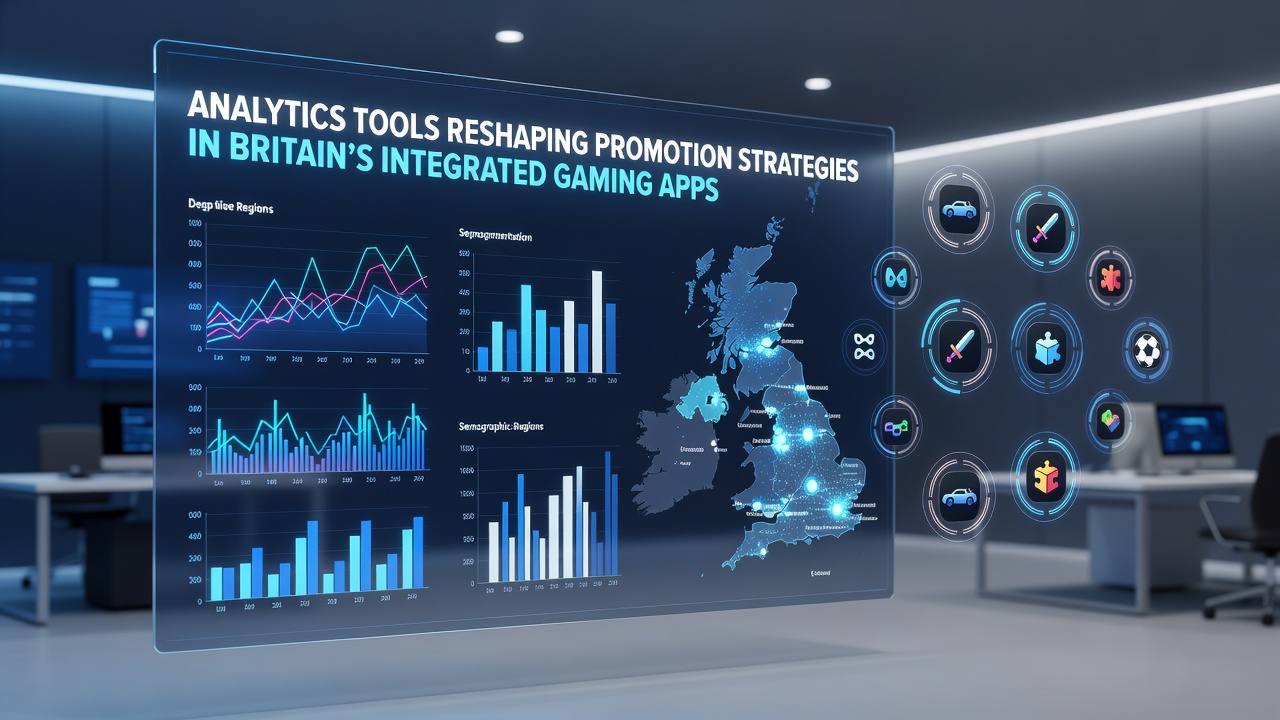
Real-time dashboards display heat maps of peak activity periods and conversion rates for different incentive types. Teams monitor these displays to refine targeting parameters while the apps continue to operate. In June 2026, several platforms reported updates to their analytics suites that incorporated additional variables around cross-game navigation, expanding the data points available for promotion calibration.
Personalization Across Unified Platforms
Integrated apps record sequences where users switch between jackpot slots and live tables or place accumulator bets after casino sessions. Analytics engines identify these pathways and trigger tailored rewards that encourage continued movement across categories. For instance, a player completing a slot bonus round might receive an offer for live dealer table credits that activates only during specific time windows identified as high-engagement periods for that account.
Segmentation relies on cluster analysis rather than simple demographic splits. Algorithms group accounts by behavioral signatures such as average stake volatility or preferred session length, then assign promotion variants accordingly. This method produces higher relevance because offers reflect actual usage data instead of assumed categories.

External research from the European Gaming and Betting Association highlights how similar data practices appear in multiple European markets, showing consistent patterns where integrated platforms achieve measurable lifts in retention when analytics guide offer distribution. Observers note that these systems operate continuously, updating user profiles after every session to maintain accuracy in targeting.
Performance Measurement and Adjustment Cycles
Key performance indicators tracked inside the analytics layers include redemption rates for different bonus formats, average revenue per user following promotion exposure, and churn signals detected through declining activity levels. When metrics fall below established thresholds, the systems automatically test alternative offer structures on small user subsets before broader rollout.
Operators compare results across promotion variants using A/B frameworks embedded in the apps themselves. One cohort might receive time-limited deposit matches while another sees free bet credits tied to sports events, with the analytics layer determining which variant produces stronger follow-on play. These tests run in parallel without interrupting the overall user experience.
Figures from industry reports compiled by the Victorian Responsible Gambling Foundation indicate that platforms employing advanced segmentation record steadier engagement curves compared with those relying on static promotion calendars. The data underscores how continuous adjustment based on live metrics supports sustained activity across combined gaming features.
Conclusion
Analytics tools continue to refine how Britain's integrated gaming apps structure and distribute promotions by converting raw session data into actionable segments and timing decisions. As these systems incorporate more cross-category signals, operators gain capacity to align incentives with documented user pathways rather than generalized assumptions. The result appears in promotion cycles that adapt dynamically while maintaining compliance with existing operational standards.