Scotland's Quiet Revolution: Independent Venues Test Unified Reward Systems Across Reels, Tables, and Matches
Jonas Sullivan · Aug 26, 2026
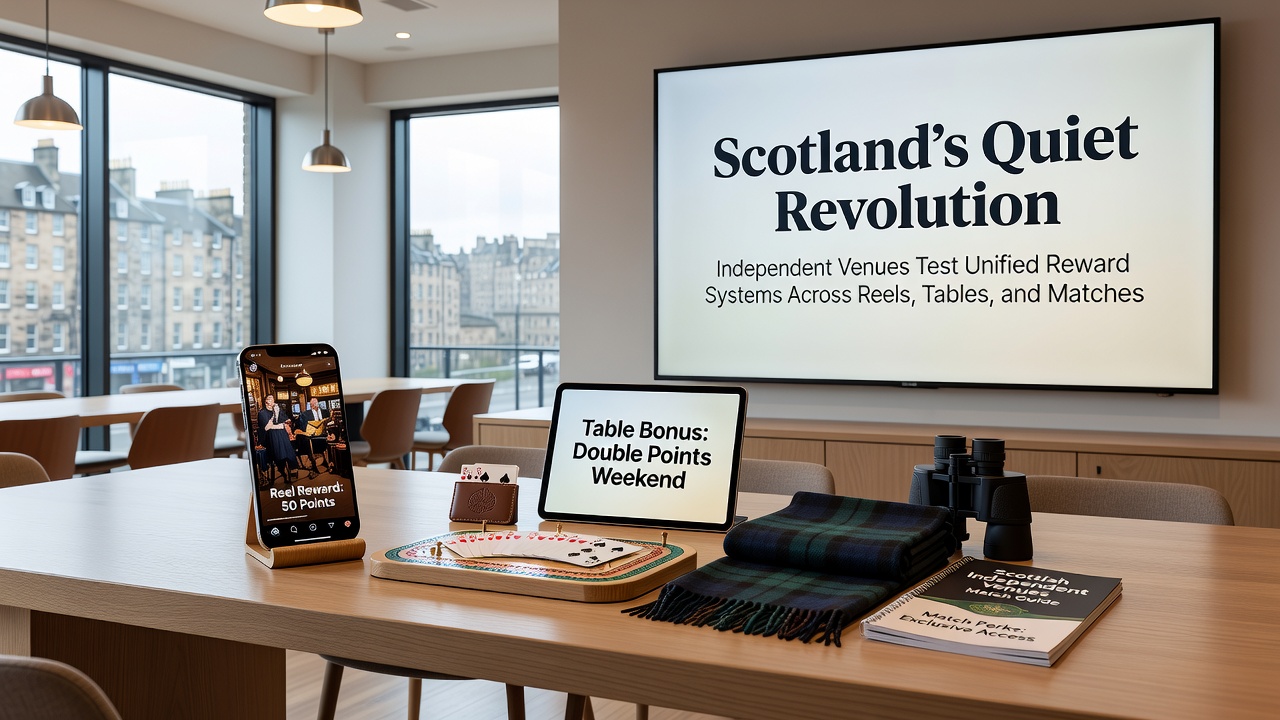
Scotland's Quiet Revolution: Independent Venues Test Unified Reward Systems Across Reels, Tables, and Matches
Independent venues across Scotland have started rolling out unified reward systems that link player activity on reels, tables, and sports matches into single loyalty accounts, and this shift gained momentum in August 2026 as operators sought more streamlined ways to retain customers amid changing market conditions. These programs allow points earned from slot play, table games, and in-play betting to accumulate toward shared rewards such as free bets, dining credits, or merchandise, which creates a connected experience that spans multiple gaming formats without requiring separate accounts for each category.
How Unified Systems Operate in Practice
Venues integrate tracking software that monitors wagers placed on electronic reels, live dealer tables, and sportsbook terminals, then converts those actions into a common points currency that players can redeem across the property. One operator in Glasgow implemented a tiered structure where a fixed percentage of every stake on slots contributes directly to a central balance, while table game wins trigger bonus multipliers and football match accumulators add incremental credits, and this approach lets participants move seamlessly between sections while maintaining progress toward the same goals. Data from similar trials shows average session lengths increased when rewards crossed categories, because players no longer needed to restart earning cycles when switching from reels to matches.
Regional Adoption Patterns and Technical Setup
Smaller independent operators in Edinburgh, Aberdeen, and Dundee joined the testing phase after larger chains had already deployed comparable platforms elsewhere, and these venues often rely on modular software packages that connect existing terminals without full hardware replacement. Technical teams configure APIs to pull real-time data from each department, ensuring that a win on a roulette table updates the same profile used for placing a bet on rugby or spinning a progressive jackpot reel. Observers note that venues with fewer than five hundred gaming positions completed integration faster than expected, partly because their smaller scale allowed quicker staff training and system calibration during the summer rollout window.

Data Sharing and Player Tracking Developments
According to a report issued by the European Gaming and Betting Association, cross-format loyalty programs can raise repeat visit rates when points remain valid across game types, and Scottish venues testing these features reported similar patterns by late August 2026. Player cards or mobile apps serve as the single interface, recording every transaction whether it occurs at a slot bank, a blackjack pit, or a self-service betting kiosk, while backend analytics identify which combinations of activity generate the highest engagement. Venues that participated in early pilots adjusted reward thresholds after initial weeks, raising the value of table game contributions relative to slots to balance participation across departments.
Regulatory Context and Compliance Measures
Scottish venues must align unified systems with existing responsible gambling tools, which means setting spend limits that apply uniformly whether a customer plays reels, tables, or places match wagers. Compliance teams review point-earning rates to ensure promotions do not encourage excessive play, and independent auditors examine data flows to confirm that age verification and self-exclusion lists function consistently across all linked terminals. Figures released by the Victorian Responsible Gambling Foundation on comparable loyalty models in other jurisdictions indicate that clear redemption rules and transparent point values help maintain regulatory approval when systems span multiple product categories.
Operational Outcomes Observed So Far
Staff at participating venues describe reduced administrative overhead once separate loyalty schemes merge into one platform, because customer queries about point balances now route through a single system rather than multiple department-specific portals. Marketing teams use aggregated activity data to design targeted offers that reference a player's combined history, such as sending a free bet credit after a sequence of table wins and slot sessions, and early metrics show these cross-promotions generate higher redemption rates than category-specific campaigns. Venues continue to refine algorithms that determine point accrual speeds, testing whether equal weighting across reels, tables, and matches produces more balanced floor traffic than weighted systems that favor one format.
Conclusion
The coordinated testing of unified reward systems by independent Scottish venues represents a measurable shift in how operators connect reels, tables, and sports matches through shared loyalty mechanics, and the August 2026 pilots provide concrete data on integration methods, player response, and compliance requirements. Continued monitoring of these programs will reveal whether the single-account model sustains engagement levels across all three categories while meeting operational and regulatory standards.