Unified Platforms Driving Fresh Patterns of Interaction Across Britain's Licensed Gaming Markets
Zoe Patterson · Aug 24, 2026

Unified Platforms Driving Fresh Patterns of Interaction Across Britain's Licensed Gaming Markets
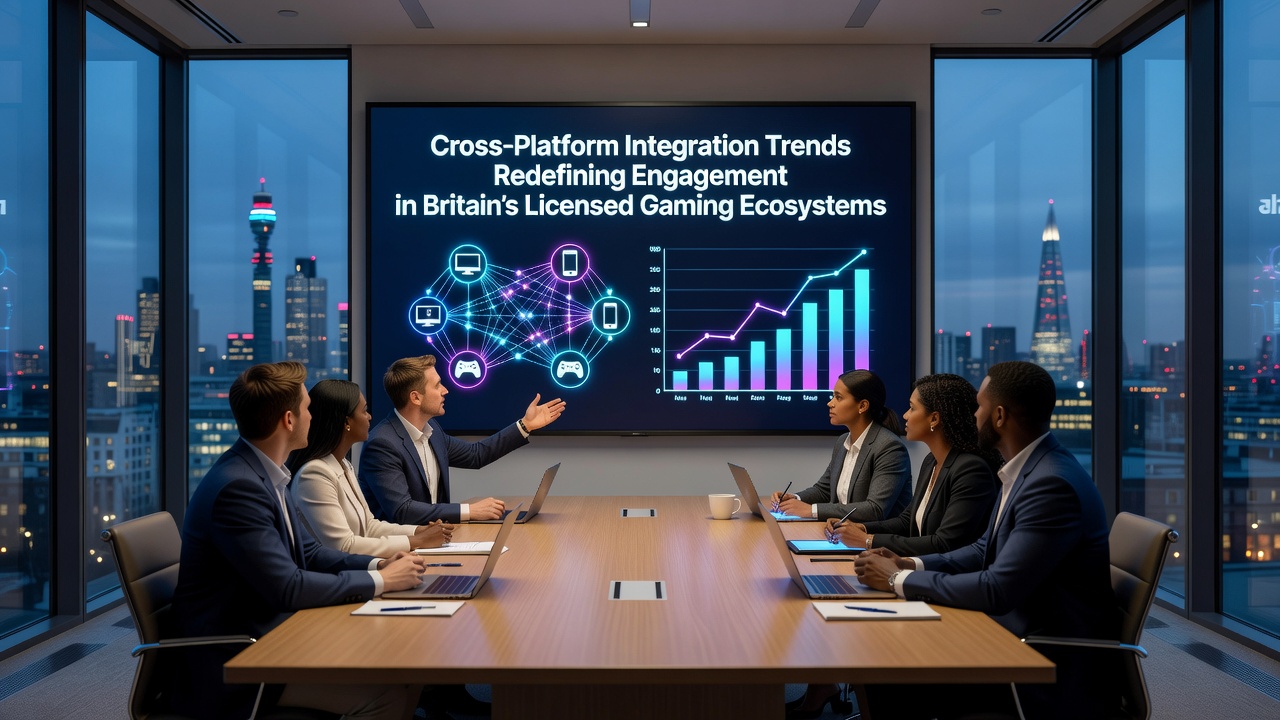
Data from industry analyses show that operators in Britain's licensed sector continue to merge mobile applications, desktop portals, and in-venue terminals into single ecosystems, allowing account balances, game progress, and reward points to transfer without interruption. These connections rely on shared application programming interfaces that update player profiles in real time, while regulatory frameworks require secure data handling across each channel.
Core Technical Components Behind the Integration
Centralized player databases form the foundation, storing session histories from slots, live dealer sessions, and sports wagers in unified records, and developers implement cloud-based synchronization layers that maintain consistency even when users switch devices mid-session. Authentication protocols now incorporate biometric checks and token-based logins that remain valid across platforms, reducing repeated entry steps while meeting security standards set by oversight bodies in multiple jurisdictions.
Payment rails also operate through these integrated systems, routing deposits and withdrawals through the same ledger regardless of whether a transaction originates on a smartphone or a betting terminal. Studies conducted by research institutions in North America and Europe indicate that such unified ledgers have shortened average transaction times by measurable margins in markets with similar regulatory structures.
Player Behavior Shifts Documented in Recent Reports
Figures released by the European Gaming and Betting Association reveal rising session lengths among users who engage with multiple product types within one account, particularly when progress in one vertical carries over to bonus eligibility in another. Observers note that participants often begin with sports accumulators on mobile devices before moving to live dealer tables on tablets, with the same loyalty metrics applying throughout.
In August 2026, several operators introduced updated dashboard views that display combined activity across verticals, presenting unified leaderboards and personalized recommendations drawn from full account histories. These displays draw on machine learning models trained on anonymized datasets that comply with data protection rules applicable in the United Kingdom and comparable regions.
Regulatory and Compliance Considerations
Agencies in Australia and Canada have published guidance documents on data portability that parallel requirements already in place for British licensees, emphasizing audit trails that record every platform switch. Compliance teams now maintain logs that capture device identifiers, session durations, and product transitions to support periodic reviews by independent auditors.
Operators have responded by embedding compliance checks directly into the integration layers, triggering automated alerts when activity patterns approach defined thresholds. This approach aligns with practices described in reports from the National Council on Problem Gambling in the United States, which examined similar multi-channel environments in other markets.
Future Development Areas Identified by Analysts
Industry roadmaps point toward deeper connections with wearable devices and voice-activated interfaces, extending the same account continuity to new hardware categories. Research papers from academic centers in Scandinavia have modeled potential latency reductions achievable through edge computing nodes placed closer to end users, a technique already under trial by several British operators.
Partnerships between software providers and hardware manufacturers continue to expand the range of supported devices, while maintaining the core requirement that all licensed activity remains traceable within the single player record. These developments build on existing infrastructure rather than replacing it, preserving continuity for users who have accumulated history across previous platform versions.
Conclusion
Cross-platform integration in Britain's licensed gaming sector rests on shared databases, synchronized payment systems, and regulatory-compliant logging mechanisms that together support continuous engagement across devices. Reports from international organizations and academic sources document measurable changes in session patterns and transaction efficiency, while ongoing technical work focuses on extending these capabilities to emerging hardware without altering the underlying compliance framework.